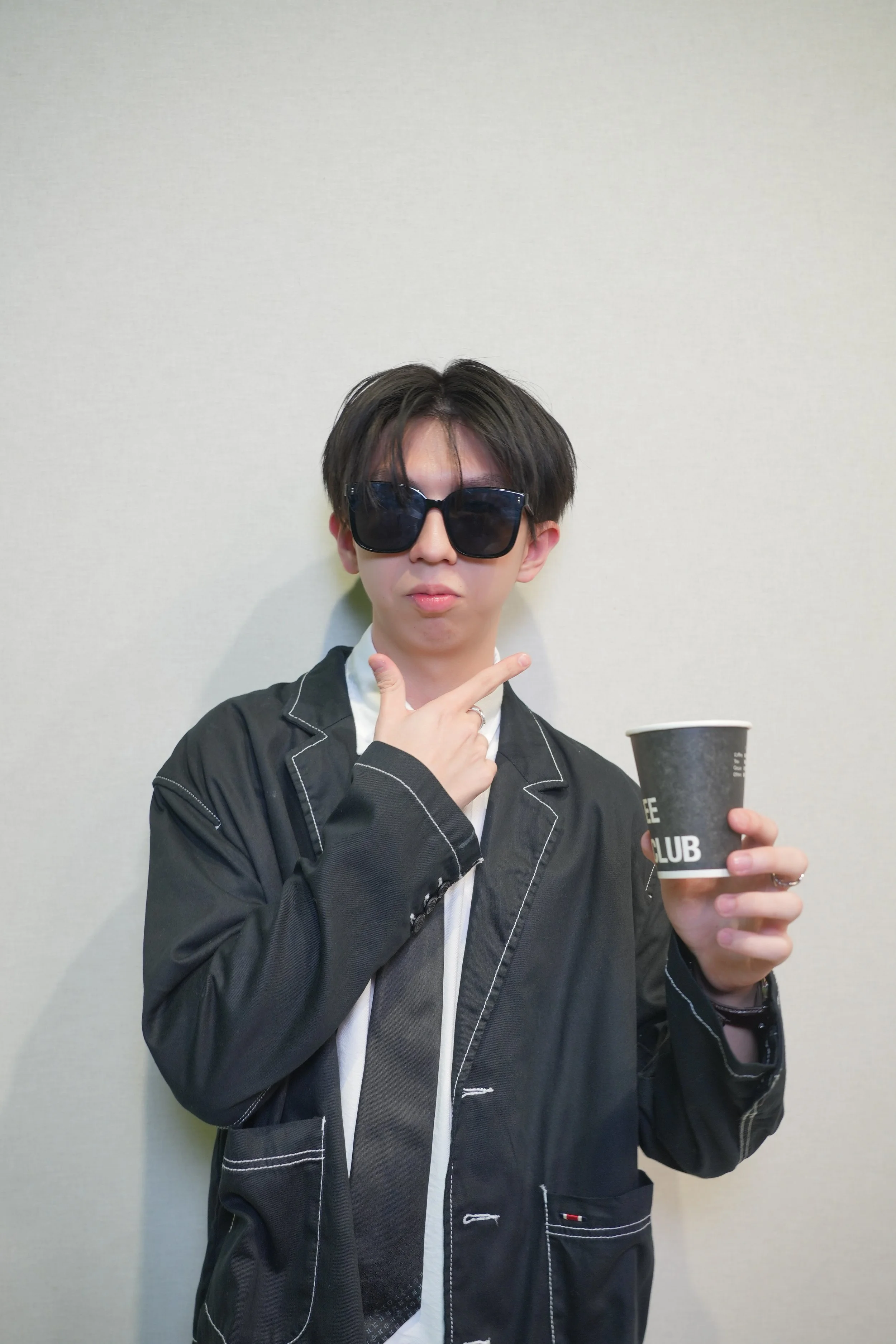
In Whispers and Statements
Some are whispered, others are meant to be seen. What is your definition of luxury?
“What’s the point of wearing luxury if no one knows what brand it is?” It’s a question that once felt absurd, but now reflects a deeper shift in how luxury is understood.
Once upon a time, instant recognition was the appeal—a logo, a monogram, a signature pattern. They were clear representations of status. That clarity, however, no longer defines luxury on its own.
Today, luxury is less about volume but more about intention. The question is no longer who will notice but instead, why am I wearing this? One of the clearest expressions of this shift is what has come to be known as quiet luxury.
According to an article published in September 2025 on CNA, millennials and Gen Z now represent nearly 50 per cent of luxury spending. Unlike previous generations, however, they are eschewing logo-forward fashion in favour of what has been described as “invisible prestige”.
This growing trend across the generations reflects how exquisite materials and precise craftsmanship are becoming no longer just an expectation, but also a very important form of expression. From the texture of a fabric, the finish of a seam, to the way a bag holds its shape, these details are reshaping the way luxury is perceived.
In this sense, recognition belongs to those who know what they’re looking at.
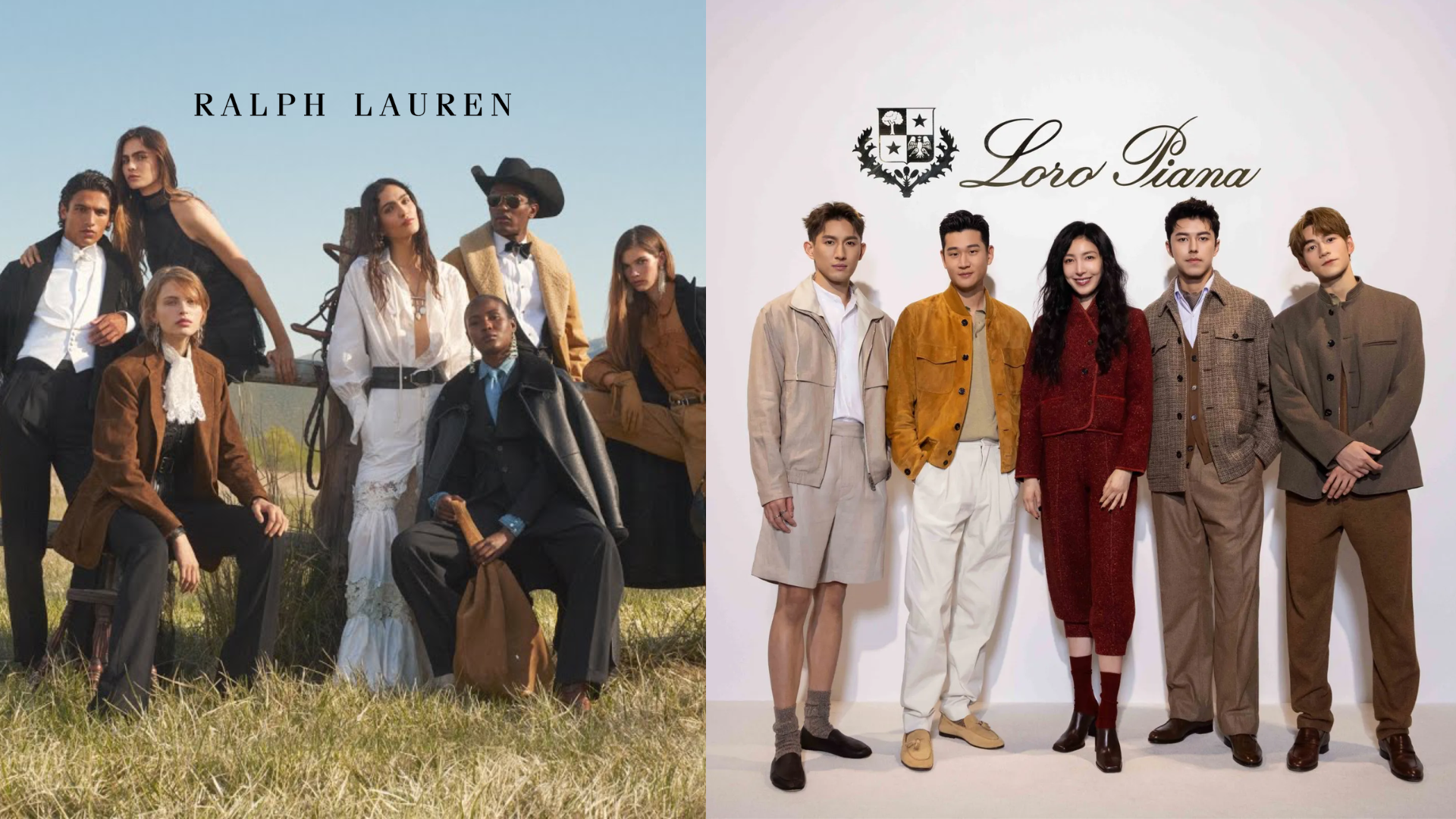
Photo Credit: (From Left to Right) Ralph Lauren, Loro Piana
Seen through Loro Piana and Ralph Lauren’s lens, luxury is understated and restrained. The emphasis lies in its muted tones, texture, proportion and materiality—where nothing needs to be announced to be recognised.
For a generation fluent in marketing and constantly surrounded by branding, overt designs are starting to lose their meaning. In contrast, quieter expressions of luxury like these allow it to move from being merely worn, into something that is felt. Rather than relying on visibility, emotional connection is built through presence and awareness.
However, as much as quiet luxury has refined the conversation, what is often known as loud luxury, remains integral to how fashion houses express their identity, and how consumers choose to express theirs. For brands where logos and monograms have long been prominent, statement pieces are embraced as deliberate expressions of heritage, culture and attitude.
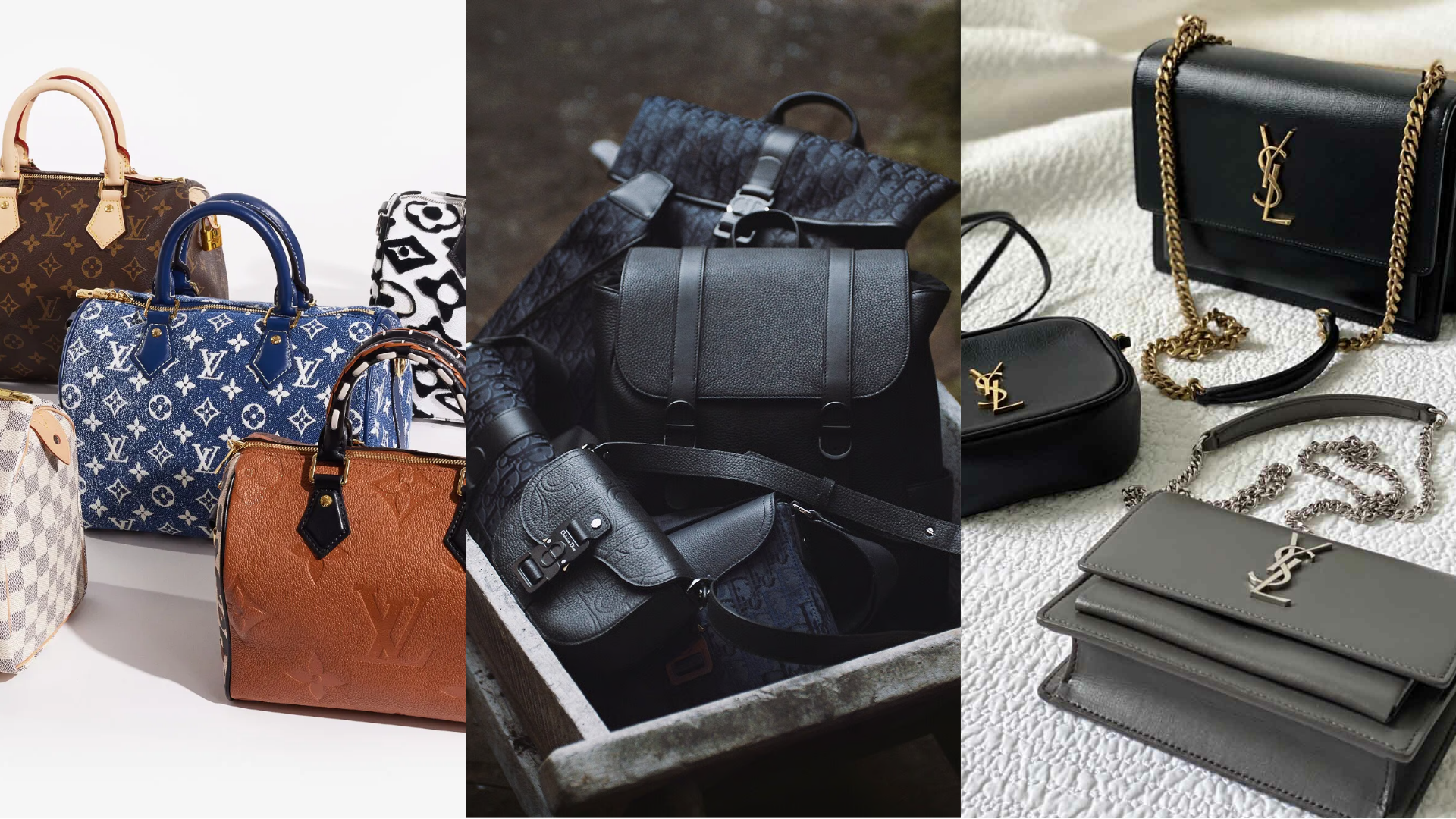
Photo Credit: (From Left to Right) FASHIONPHILE, DIOR, Handbagholic
For example, Louis Vuitton’s monograms have long travelled across trunks, luggage and leather goods. Its intertwined “LV” initials, four-point stars and floral motifs have since become one of the world’s most recognisable patterns. In contrast, Dior’s oblique canvas takes shape through its unique slanted lettering and graphic rhythm, forming a globally known house signature. At Saint Laurent, the sharp “YSL” geometry stands apart through its clean lines and stark contrast, making it unmistakable in its simplicity.
In this interpretation, luxury is worn to be seen. It becomes an indication of belonging, aspiration and self-expression. Rather than excess, the appeal lies in intention that is defined by the confidence of knowing when to make a statement.
Personally though, I find myself more drawn to the space in between. While I appreciate the discretion of quiet luxury, I prefer pieces where a logo is present in subtle ways—not to dominate but to affirm identity. In this middle ground, luxury feels purposeful rather than performative, offering expression without excess.
At the end of the day, quiet and loud luxury are not opposing ideas but simply different languages of recognition. One prefers to be studied up close, while the other chooses to be seen.
What truly matters is not how quiet or loud luxury is, but the intention behind wearing it. Throughout the years, restraint and visibility have always coexisted as expressions of luxury. The only thing that changes over time is the degree to which both are embraced.
Luxury, after all, has always been deeply personal.